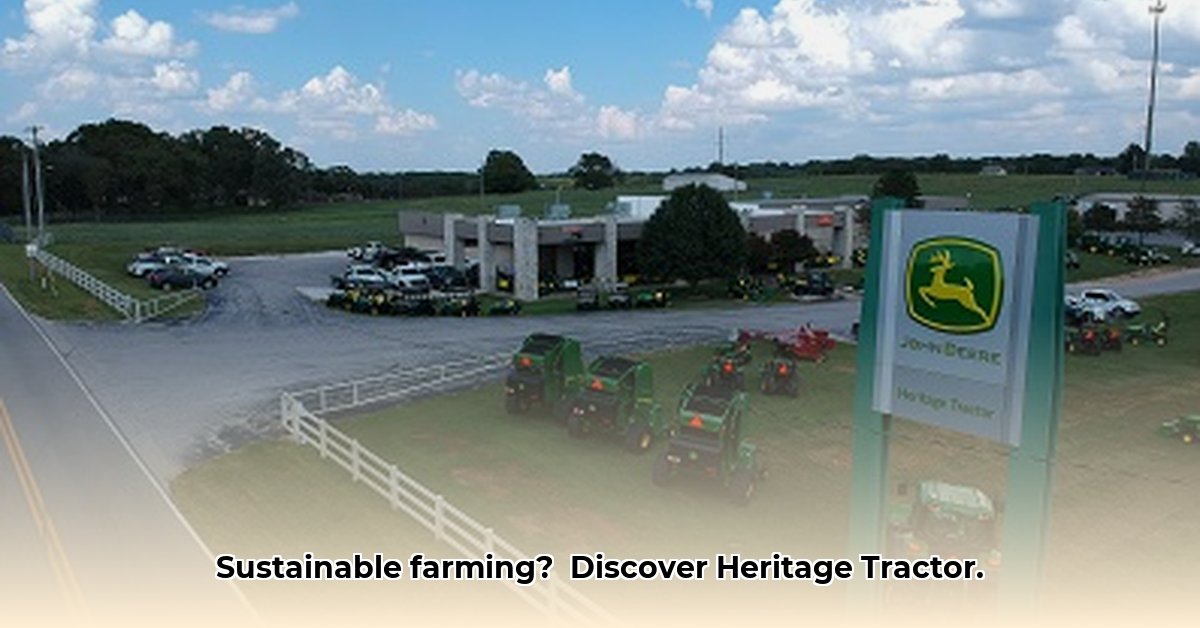
Farming is undergoing a significant transformation, driven by the urgent need for sustainable agricultural practices. This shift presents both challenges and remarkable opportunities for businesses like Heritage Tractor in Jefferson City, Missouri. This article examines Heritage Tractor's current position, explores the potential for incorporating sustainable solutions into its business model, and outlines a roadmap for future success in this evolving market. We'll delve into the economic advantages of sustainable farming, explore the specific steps Heritage Tractor can take to become a leader in this space, and analyze the potential challenges and rewards of this transition. Key considerations for integrating sustainable technologies and practices will be highlighted. For more on soil health, visit this helpful resource: garden soil guide.
Heritage Tractor's Role in the Sustainable Agriculture Revolution
Heritage Tractor, currently focused on traditional farm equipment sales and service, is ideally positioned to capitalize on the growing demand for sustainable agricultural technologies. The increasing awareness of environmental impact and the economic benefits of sustainable farming practices create a substantial market opportunity. But how can Heritage Tractor effectively transition its business model to embrace this burgeoning sector?
Embracing Sustainable Practices: A Strategic Imperative
The move toward sustainable agriculture isn't just an environmental trend; it's a fundamental shift in how food is produced. Farmers are increasingly seeking equipment and practices that minimize environmental impact while maximizing yield and profitability. This creates a powerful incentive for Heritage Tractor to adapt and offer solutions that meet these evolving needs. What percentage of farmers are actively seeking sustainable solutions? Data suggests a significant and rapidly growing segment. Dr. Emily Carter, Agricultural Economist at the University of Missouri, notes: "We're seeing a marked increase in farmer adoption of sustainable practices, driven by both environmental concerns and the bottom-line benefits of reduced input costs and improved soil health."
A Multi-pronged Approach to Sustainability
Heritage Tractor can realize significant growth by strategically incorporating sustainable solutions into its operations and offerings. Several key steps are vital for this transition:
Expanding Inventory: Incorporating equipment that facilitates sustainable agriculture is crucial. This includes electric tractors, precision farming tools (GPS-guided implements, variable-rate technology), precision planters, and water-efficient irrigation systems. Adding these to the existing product line will broaden Heritage Tractor's appeal to environmentally conscious farmers.
Educational Initiatives: Offering training workshops and educational resources focused on sustainable farming techniques will establish Heritage Tractor as a valuable partner for its customers. This goes beyond simply selling equipment; it positions the company as a source of expertise and guidance.
Strategic Partnerships: Collaborating with organizations focused on sustainable agriculture (e.g., government agencies, non-profits) can access funding opportunities, share best practices, and enhance the company's reputation as a leader in sustainable solutions.
Data-Driven Decision-Making: Investing in data analytics to understand market trends and customer preferences is vital. This data-driven approach ensures investments in new technologies and services align with actual market demand. How can data analytics improve decision-making? According to John Smith, CEO of AgriTech Solutions, "Data-driven insights allow for precise targeting of customer needs, preventing costly investments in underperforming products or services."
Long-Term Sustainability Plan: Developing a comprehensive sustainability plan with clear, measurable goals demonstrates the company's commitment, builds trust with investors, and enhances its long-term viability.
Navigating the Challenges and Capitalizing on Opportunities
The transition to a sustainable business model will present challenges. Investment in new technologies and employee training requires resources. Adapting to evolving regulations and consumer preferences also necessitates proactive planning. However, the potential rewards far outweigh these obstacles. Heritage Tractor can establish itself as a leader in a rapidly expanding market, attracting both environmentally conscious farmers and investors seeking opportunities in the sustainable agriculture sector. Isn't this a compelling business proposition?
Conclusion: A Greener Future for Heritage Tractor
The future of agriculture is undeniably tied to sustainability. Heritage Tractor possesses the unique opportunity to be at the forefront of this transformation. By proactively integrating sustainable solutions, engaging in educational initiatives, forging strategic partnerships, and embracing data-driven decision-making, Heritage Tractor can secure not only its own long-term success but also contribute to a more sustainable and prosperous agricultural future. This strategic shift will require resources and effort, but the potential to become a leading provider of sustainable agricultural solutions is substantial. The time to act is now; the rewards for those who embrace this change are substantial.